Primary
Learning Outcomes
- Emergent Literacy: Children build literacy through hands-on exploration, movement, sound, and meaningful language—not worksheets or rote drills. The result is not just an early reading ability, but deep comprehension, confidence, and genuine enjoyment of language. Montessori classrooms intentionally prepare children for literacy through a sequence of experiences:
- Oral language foundation: Conversations, songs, and stories build vocabulary and comprehension.
- Phonemic awareness: Children learn letter sounds (not just names), helping them decode words and preparing them for future reading experiences.
- Multi-sensory materials: Tools like the Sandpaper Letters connect movement, touch, and sound.
- Writing before reading: Using the Movable Alphabet allows children to express ideas without being limited by handwriting skills.
- Prepared environment: Labels, books, and purposeful materials immerse children in meaningful print.
- The Mathematical Mind: Refers to a child’s natural tendency to seek order, pattern, precision, and logical relationships in the world. This can be seen when a child repeats activities that involve sorting, sequencing, and classifying, notices patterns (big to small, light to dark, one-to-one correspondence), seeks order and consistency in their environment, enjoys precision and exactness (placing objects just right, correcting errors), naturally counts, compares, and organizes.
- Intrinsic Motivation: The child’s natural drive to learn, explore, and master skills for the satisfaction of doing the work itself—not for rewards, praise, or external pressure. Montessori classrooms are intentionally designed to support this inner drive through:
- Freedom within limits: Children choose their work, which increases ownership and engagement.
- Purposeful, real activities: Tasks feel meaningful (washing a table, preparing food), not artificial.
- Built-in feedback: Materials are often self-correcting, so children don’t rely on adult approval.
- Uninterrupted work cycles: Time to concentrate and repeat leads to deep satisfaction and mastery of skills.
- Respect for the child: Adults guide rather than direct, preserving the child’s autonomy.
Program Highlights
- Mixed-Age Communities: In a traditional classroom, children are grouped by a single birth year. At Family Star, we continue the mixed-age structure across program levels. This creates a natural social hierarchy where younger children learn by observing and exploring, and older children develop empathy and leadership.
- Self-Correcting Materials: Primary materials, like the Cylinder Blocks or Golden Beads, are designed to “tell” the child if a mistake was made, allowing them to problem-solve independently. This feature is referred to as “control of error.”
- The Work Cycle: We provide a three-hour uninterrupted work period. This fosters deep concentration—a skill that is often interrupted in traditional settings by frequent transitions between “circle time,” “art time,” and “snack time.” There are no timed centers or expectations to rotate between materials. Students are encouraged to work with a material as long as they are interested to develop extended concentration and concept development.
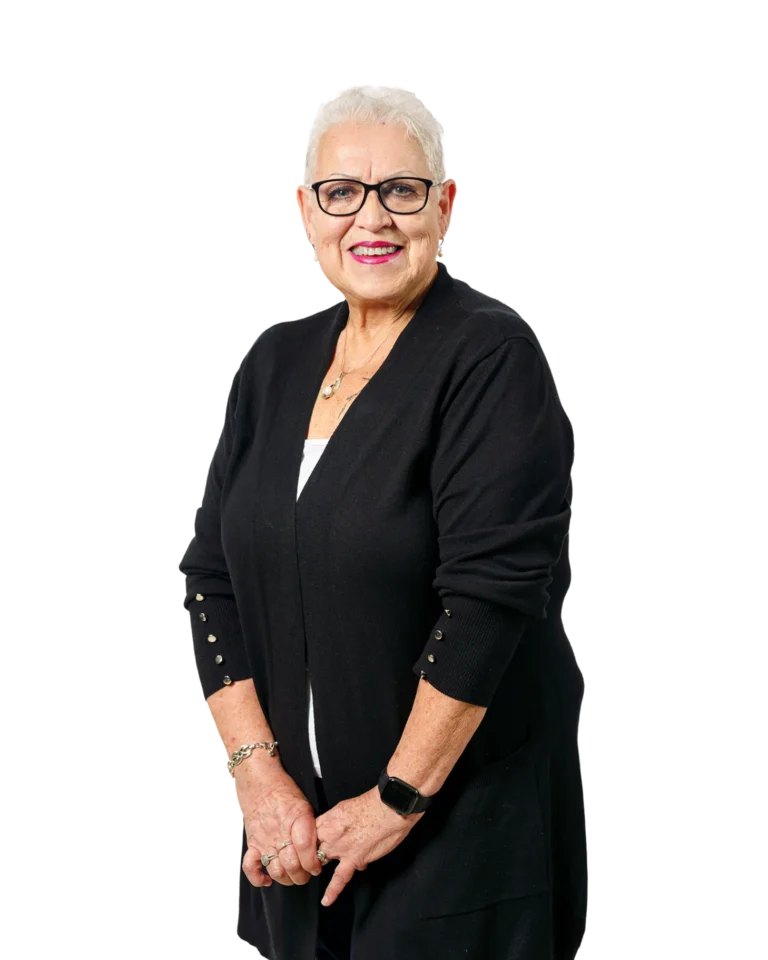
A Word From Our Lead Teacher
FAQ
How does the mixed-age classroom benefit my child?
Montessori Primary classrooms include children ages 3–6 learning together. Younger children learn by observing older peers, while older children develop leadership skills by mentoring younger classmates. This creates a collaborative and respectful learning community.
How do children prepare for kindergarten and beyond?
Our Primary program builds strong foundations in literacy, mathematics, science, social studies, problem-solving, and executive functioning skills. Children develop independence, concentration, confidence, and a love of learning that prepares them for future academic success.
Do children spend time outdoors?
Yes! Outdoor exploration is an important part of the Montessori experience. Children have daily opportunities for outdoor play, movement, nature exploration, and gross motor development, supporting both physical health and learning.
Do you have openings right now?
Availability varies by age group, classroom, and location. Infant (Nido) and toddler spots tend to fill quickly, while primary (preschool) and home-based learning may have more flexibility depending on the time of year. The best next step is to reach out for current openings and/or schedule a tour.
How much is tuition and what does it include?
Tuition varies based on the child’s age. Private pay rates are:
- Nido: $2,892
- Toddler: $2,731
- Primary: $2,035
The fee covers:
- Extended-day early education and care for children ages 0-6.
- Daily learning experiences supported through the Montessori curriculum.
- Individualized learning plans to help your child develop the skills they’ll need for kindergarten and beyond.
- Delicious well-balanced meals and snacks from My Kid’s Lunch.
- Developmental screenings, mental health supports, and family support
- Parent-teacher partnerships and real-time communication and photos to learn about your child’s day
*There is an additional $65 monthly materials fees for Nido and Toddler classrooms.
Do you accept subsidies (e.g., CCAP, Head Start, UPK, DPP)? / Do you offer assistance?
Yes. Family Star Montessori is known for a blended funding model and accepts:
- CCAP (Colorado Child Care Assistance Program)
- Head Start / Early Head Start
- UPK (Universal Preschool)
- DPP (Denver Preschool Program)
These programs can significantly reduce or even fully cover tuition depending on family eligibility.
Is there a fee to join the waitlist or enroll?
Yes, there are a couple of standard fees:
- Administration Fee: $100 (non-refundable)
- Tuition Deposit: $500 (applied toward your child’s tuition once enrolled)
However, Head Start eligible families do not pay an administrative fee or tuition deposit.
Is there a waitlist? How long is it?
Yes. Family Star Montessori typically maintains a waitlist, especially for younger age groups (Nido/toddlers). Wait times are immediate, ranging from a few months, to even over a year depending on age and funding type. It’s always recommended to apply early.
How do I apply / What’s the enrollment process?
The process generally includes:
- Submit an inquiry or application
- Connect with the enrollment team / schedule a tour
- Determine eligibility for programs (Head Start, private pay tuition, subsidies, etc.)
- Once a spot is available, you will be notified and provided enrollment paperwork
Do you offer part-time or full-time options? / Do you offer extended care?
Family Star Montessori offers:
- Full-day programming is (approx. 7:45 AM – 5:15 PM)
- Head Start hours are typically shorter (around 8:30 AM – 3:30 PM)
- Extended care options are available to cover the full workday with CCAP or for a fee.
What curriculum does Family Star Montessori use?
Family Star Montessori uses an authentic Montessori curriculum in its classrooms, providing a child-centered, hands-on approach that supports independence and whole-child development across cognitive, social-emotional, and physical domains.
For its home-based program, Family Star utilizes the Parents as Teachers (PAT) curriculum, an evidence-based model that is thoughtfully blended with Montessori principles to support learning in the home and strengthen parent-child relationships.
Overall, Family Star integrates Montessori with other leading educational practices and comprehensive family support, creating a holistic approach that nurtures both children and their families.
Do you offer tours?
Yes! We encourage all prospective families to schedule a tour. This is a great opportunity to see our classrooms in action, learn more about our Montessori approach, and ask questions. Tours can be scheduled through Schedule a Tour page.
Tuition Information & Support
Family Star believes that cost should never be a barrier to a world-class education. We serve families across the full economic spectrum, from fully funded Early Head Start services to private pay tuition, and we are committed to helping every family find a path that works for them.